Bonded Manifolds
Solutions & Processes
Bonded Plastic Materials
Manifold Assembly
Machined Plastics
Machining Processes
Support Services
Plastics
Machined Plastic Parts Materials ABS Plastic for Machined Parts & Prototypes Acetal & Delrin MachiningAcrylic Plastic Materials & MachiningCOC/COP Plastic Materials & MachiningCPVC Plastic Material & MachiningCTFE/KEL-F Plastic Material & MachiningDelrin AF Plastic Material & Machining ECTFE/Halar Plastic Material & Machining Fluorosint® 500 and 207 Plastic Materials & MachiningHDPE Plastic Material & MachiningLDPE Plastic Material & MachiningNoryl® Plastic Material & MachiningNylatron GS: Self Lubricating Nylon for Precision MachiningNylon 6/6 Material & Machining PBT Plastic Material & MachiningPEEK Plastic Machining for Medical, Life Science & Aerospace OEMsPES (Radel A) Plastic Material & MachiningPlastic Machining With PETPhenolics/G10 Plastic Machining Polycarbonate Plastic & MachiningPolypropylene Plastic Material & MachiningPolysulfone Plastic Matetial & MachiningPPS Plastic Material & MachiningPVC Plastic & Machining PVDF Plastic Material & MachiningRadel® Plastic Material & MachiningRexolite® Plastic Material & Machining Tecadur Plastic Material & MachiningTeflon® Plastic Machining (PTFE) | Controlled FluidicsTorlon PlasticMaterial & MachiningUHMW Plastic Materials & MachiningUltem® (PEI) Plastic Material & MachiningVespel® Plastic MachiningPOLYMER OPTIONS
Applications
Aerospace
Life Science
Medical & Healthcare
Research & Diagnostic
Military & Defense
Specialized Electronics
Resources
Plastic Manifold Design Guide
Articles & Written Works
White Papers
General Chemical Resistance
Media Kit
Controlled Fluidics Design Gallery
About Us
Our Key Plastics Partners
The Controlled Fluidics Difference
Case Studies & Success Stories
Testimonials
We Are Hiring
Back to the product list

ABS PLASTIC FOR MACHINED PARTS & FLUIDIC MANIFOLDS

COST-EFFECTIVE, EASY-TO-MACHINE THERMOPLSTIC FOR PROTOTYPES, ENCLOSURES, & STRUCTURAL OEM COMPONENTS


ABS (acrylonitrile butadiene styrene) is a low-cost engineering plastic that machines easily, holds good impact strength, and is widely available for fast-turn prototypes and structural parts. It features as: 
  • A lower-cost alternative to many engineering plastics for early prototypes and non-critical load-bearing parts.
  • Easy to machine and 3D print for quick design iterations and fixtures.
  • Having good impact strength, rigidity, and water/acid resistance for enclosures and housings.
Under the hood, ABS is a copolymer made up of 3 components:
  • Acrylonitrile, which provides chemical resistance and heat stability.
  • Butadiene, which imparts toughness and impact resistance.
  • Styrene, which contributes to rigidity, ease of processing, and a glossy finish.


What makes ABS a good choice?

ABS combines acrylonitrile for chemical resistance and heat stability, butadiene for toughness and impact resistance, and styrene for rigidity and a clean, aesthetic surface finish. This balance makes it a strong candidate for prototypes, fixtures, and many structural plastic parts where cost and machinability matter as much as performance.

  • Good impact strength and structural rigidity for covers, brackets, and non-metal load-bearing parts.
  • Lightweight and cost-efficient compared with higher-end engineering plastics.
  • Easy to machine, drill, tap, and bond. Available in common stock colors (e.g., off-white and black).
  • Moderate heat resistance (approx. 80–90 °C / 176–194 °F) suitable for many electronics and general-purpose applications.
  • Resistant to water and many acids (such as phosphorus and hydrochloric acids), with solvent limitations noted.
  • ABS is recyclable in many regions, but local regulations determine availability of ABS recycling streams. 
Typical ABS Applications for OEM Components

While different appliances have different requirements, ABS can meet most while still being cost effective. Most applications in the automotive industry use ABS due to the above properties and its flexibility. It can also be easily molded, extruded, and even 3D printed with various colors to fit most required functions while still maintaining design.

Typical ABS applications include:
  • Prototyping and pilot builds (including 3D-printed parts later translated to machined or molded ABS).
  • Electrical and electronic enclosures, covers, and internal support structures.
  • Structural brackets and panels in automotive, consumer products, and light industrial equipment.
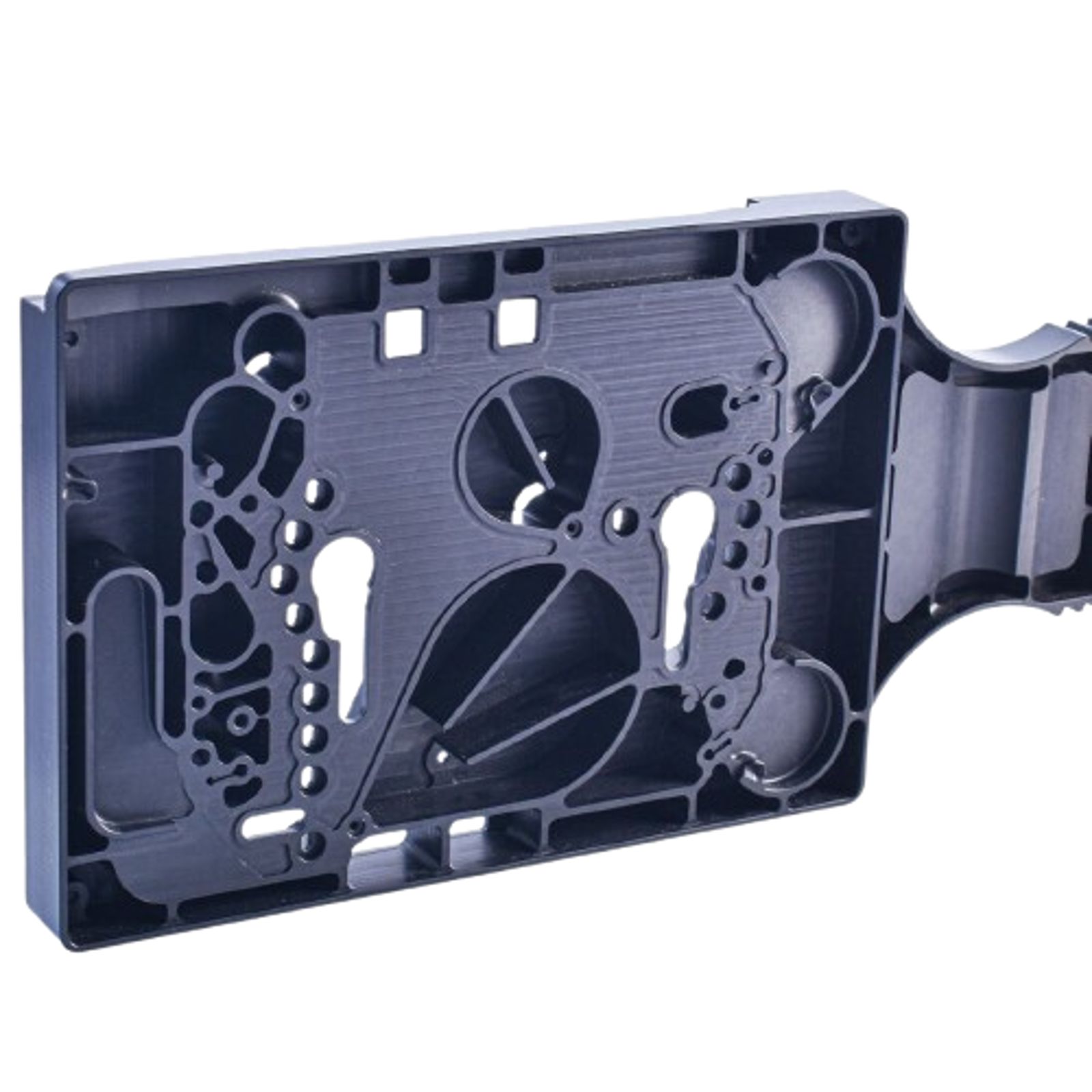
  • Low-pressure fluidic manifolds and fixtures where moderate temperature, chemical exposure, and dimensional stability are acceptable.
  • Jigs, fixtures, and test hardware used around production and lab environments.
ABS is often chosen as the first material for concept validation and fixture work, then retained in production when its mechanical and environmental performance meet requirements at a lower cost than higher-performance engineering plastics.
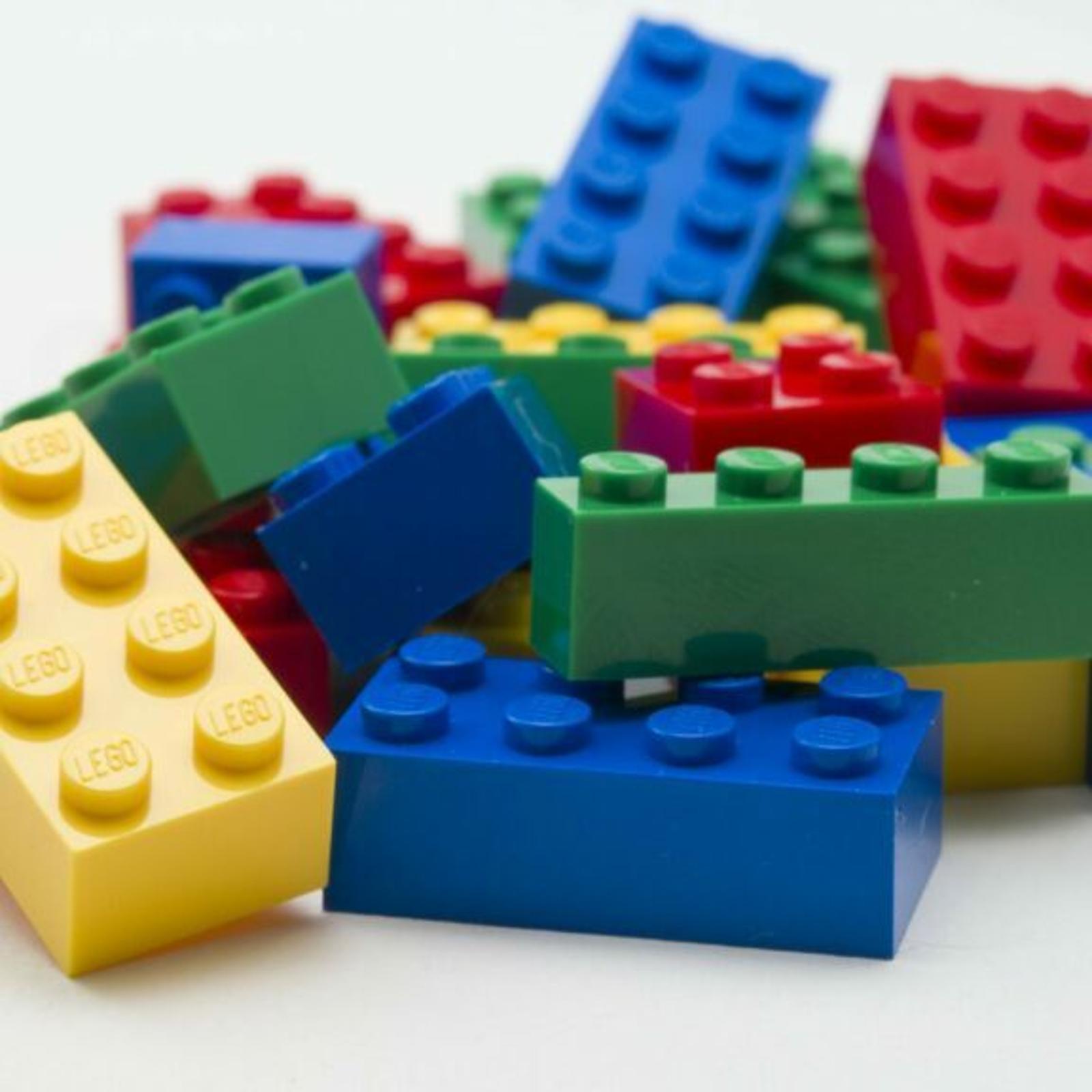
Pile_of_lego_blocks.jpg

Limitations & When to Consider Other Plastics

While ABS is versatile, it can have some limitations. Review the following: 
  • ABS is prone to warping or shrink during cooling and 3D printing. Designs with uneven wall thickness or large flat panels may need added ribs, redesign, or alternate materials.
  • Heat deflection is moderate; continuous exposure near or above 80–90 °C can lead to distortion and loss of properties.
  • Certain solvents can stress-crack or degrade ABS. For aggressive chemistries or long-term immersion, materials like PC, PMMA, COC/COP, or PEEK may be better suited.
  • For applications requiring higher strength, better creep resistance, or tighter dimensional stability, consider other engineering plastics (e.g., acetal, nylon, polycarbonate).
PLA (Polylactic Acid) and PETG (Polyethylene Terephthalate Glycol) are other options that designers can use instead of ABS based on which properties their project needs. Share your drawing/model and operating conditions, and our team can help confirm whether ABS is appropriate or recommend alternatives.
Compare ABS vs Other Plastics